Student Zone
National Service Scheme
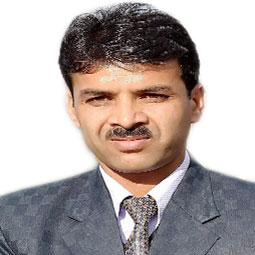
Sh. Dinesh Kumar
Political ScienceAssistant Professor
About NSS
NSS volunteers generally work in villages, slums, and voluntary agencies to complete 120 hours of regular activities in an academic year. In line with the fundamental principles of the National Service Scheme, volunteers must remain in constant touch with the community. Therefore, selection of a specific village or slum is essential for the effective implementation of NSS programmes.
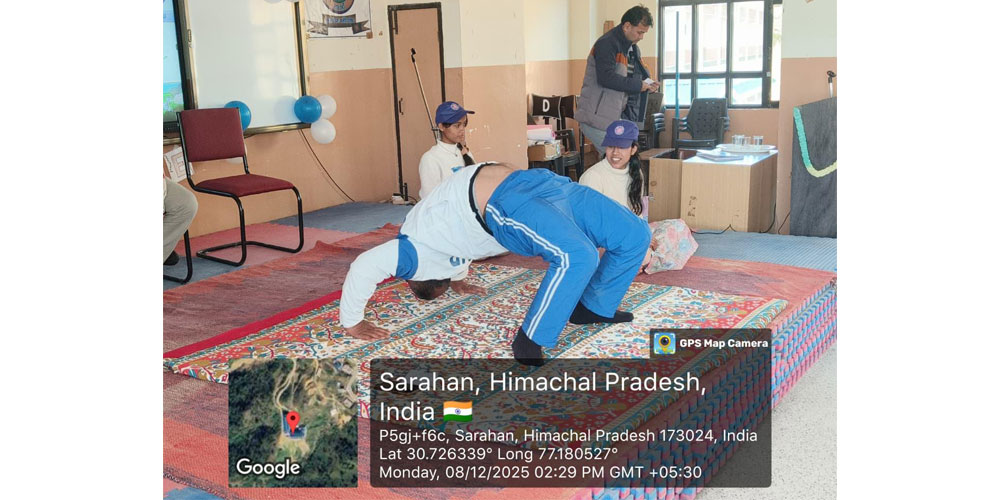
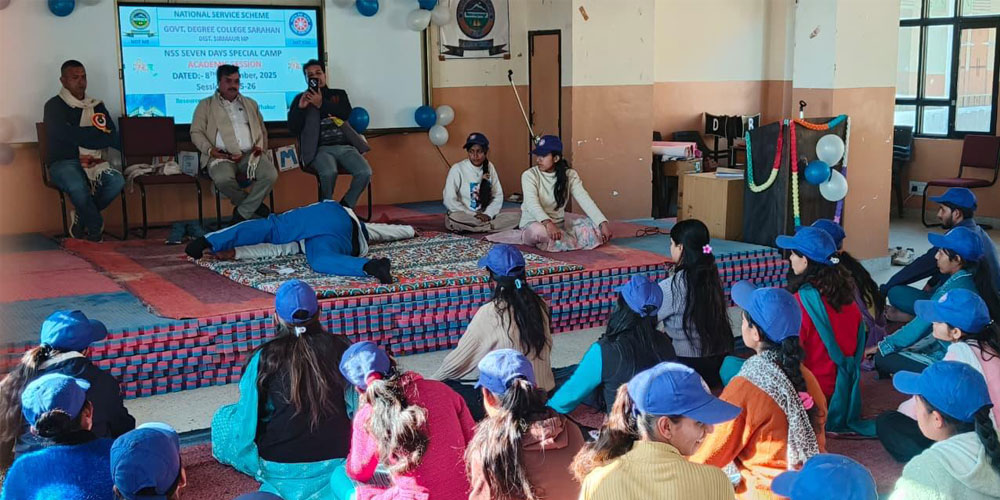
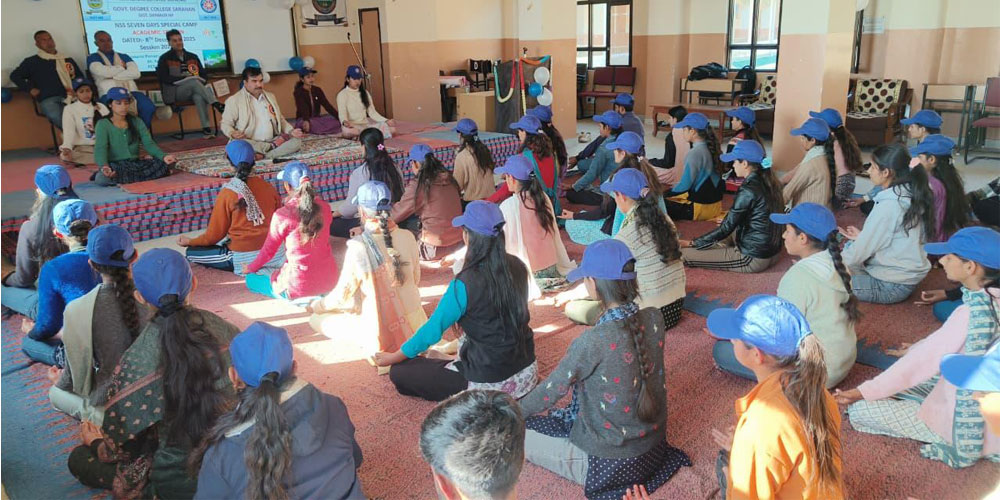
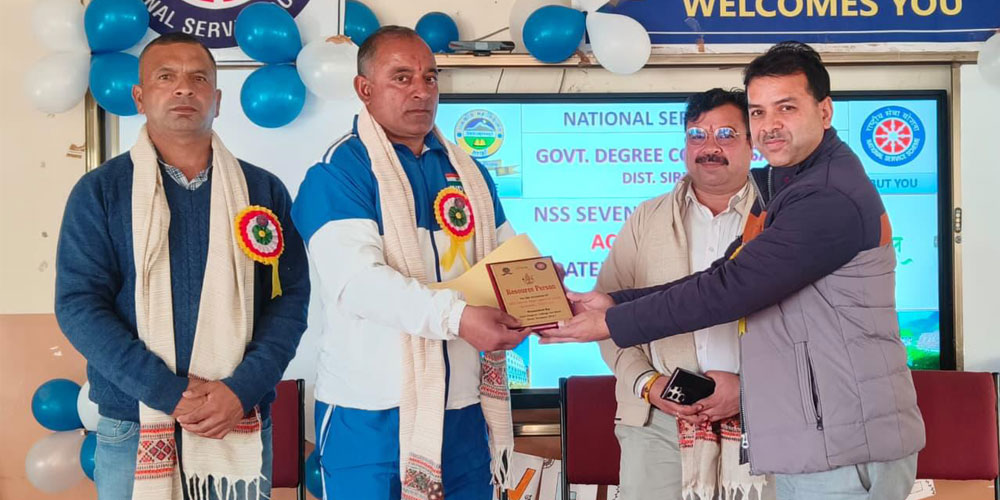
During the 7-Day Special Camping Programme, NSS volunteers live with the community, learn from their experiences, and contribute toward community development. Hence, the adopted area must be selected carefully.
1. Adoption of Villages
1.1 Adoption of a village or area ensures focused development. Concentrating on one location helps ensure continuity, follow up, and successful completion of projects, rather than scattered efforts across too many places.
Contacting Village/Area Leaders
1.2 To identify a village with strong local leadership, NSS units can seek help from authorities such as Block Officials, Panchayat Officers, Tribal Welfare, Health Departments, Agriculture, Irrigation, and Education. The selected village must be near the college to allow frequent visits.
Survey of the Village/Area
1.3 A comprehensive socio-economic survey must be conducted before preparing the action plan. Students and teachers from streams like Agriculture, Economics, Commerce, Psychology, Medicine, Social Work, Statistics, and Geography should participate. Participatory Rural Appraisal (PRA) methods can be used for effective data gathering.
Identification of Problem(s)
1.4 & 1.5 Based on survey findings, development-focused projects must be formulated by keeping community needs at the core. NSS volunteers can help spread awareness on government schemes, agriculture, health, sanitation, education, legal aid, and skill development initiatives like:
- Swachh Bharat
- Ayushman Bharat
- Digital India
- Beti Bachao Beti Padhao
- Environment & Energy Conservation
1.6 Programme Officers should build rapport with government officials and agencies for technical and financial support. Community involvement is vital for project success.
Completion of Projects
1.7 Select achievable projects because the reputation of NSS depends on successful outcomes and community acceptance.
Evaluation of Project
1.8 Every completed project must be evaluated with community and government involvement. Learnings help improve future activities.
2. Adoption of Slums
Colleges in urban areas may prefer adopting slums due to lower travel time and cost compared to villages.
Survey of the Slum
2.1 A multidisciplinary student team should survey the slum. The selected area must be compact, accessible, and free from severe political conflicts.
2.2 Planning, coordination, execution, and evaluation steps are similar to village adoption.
Services in Slums
2.3 Major focus areas include sanitation, drinking water, drainage, electricity, health and welfare services, and overall improvement of living conditions.
NSS Volunteers for Slum Work
2.4 Work in slums demands mature, committed, and adaptable volunteers.
2.5 Student roles may include:
- Community Investigators: Preparing profiles covering slum services and amenities.
- Community Workers: Identifying local leaders and facilitating cooperative actions.
- Programme Aides: Running centres for sanitation, nutrition, education, recreation, health services, etc.
- Community Organizers: Forming associations for self-help and mutual aid.
Guidelines for Selecting Slums
- Socio-economic survey must be conducted.
- Area should be compact with a maximum of 300 residents.
- Community must be cooperative and receptive to development.
- Avoid areas prone to political conflicts.
- Area must allow frequent volunteer visits.
- Volunteers must be highly motivated and sensitive.
3. Coordination with Voluntary Organizations
Since NSS units have limited financial resources, strong coordination with government departments and voluntary organizations is essential for project success.
3.1 Collaboration with agencies like Forest, Agriculture, Adult Education, Health, and Child Welfare is encouraged. Partnerships with NGOs and welfare institutions provide opportunities to serve vulnerable groups.
Service opportunities include:
- Assisting and supporting welfare institutions
- Promoting cleanliness, digital literacy, renewable energy
- Environmental improvement
- Non-formal education programs
- Helping with skill development activities
- Organizing hobby centres
- Rehabilitation support for disabled and destitute individuals
3.2 Weekend visits, one-day camps, and regular follow-up activities strengthen relationships with the community and ensure continuity of work.
NSS Activities
📋 NSS Reports & Documentation
NSS Photo Gallery
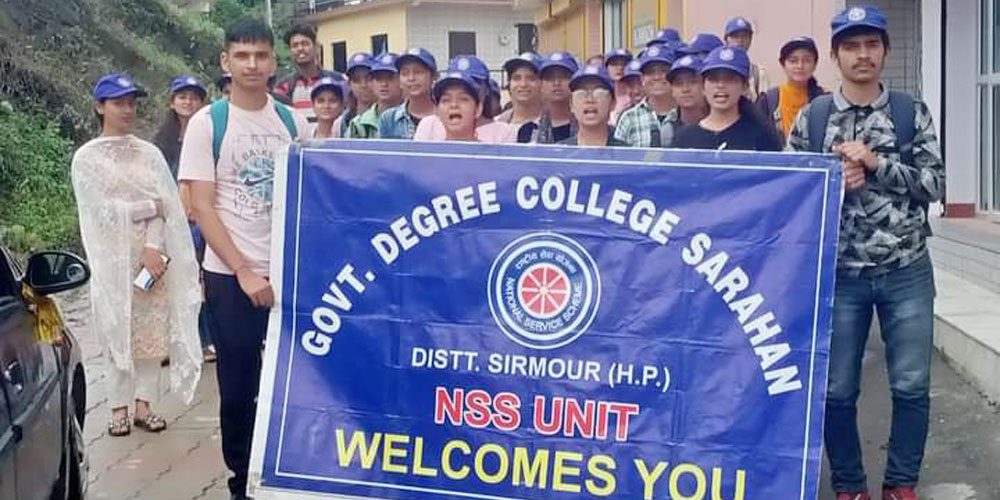
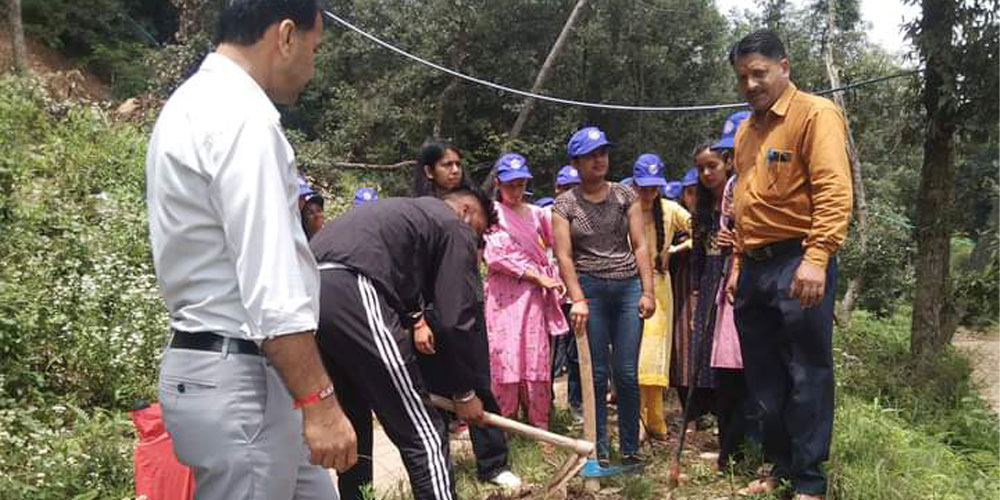
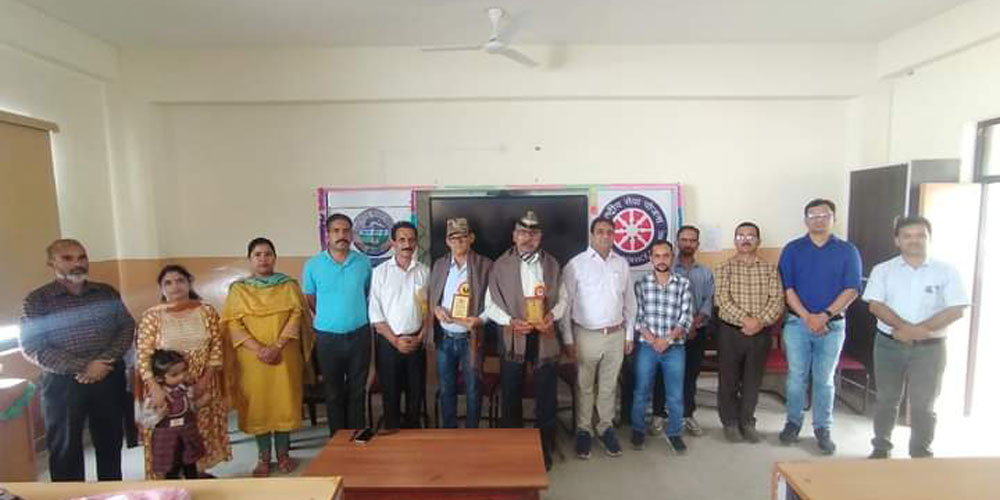
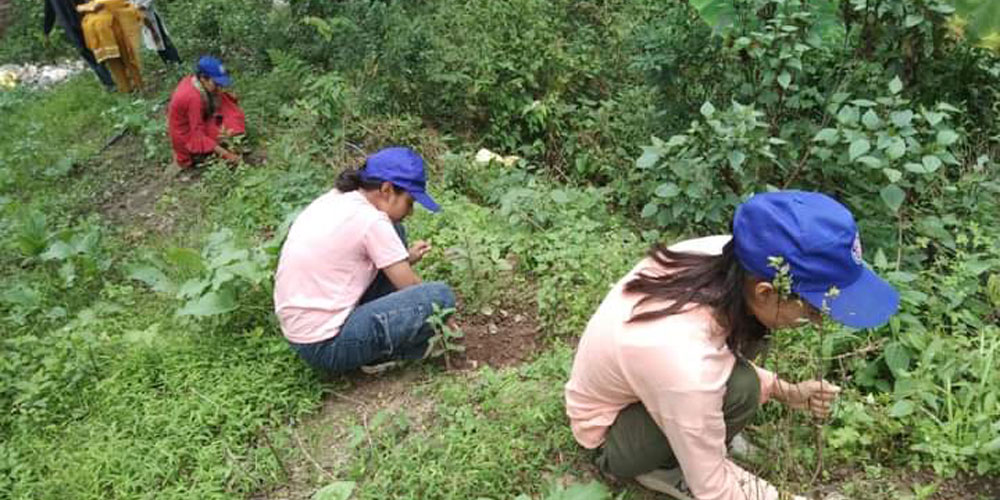
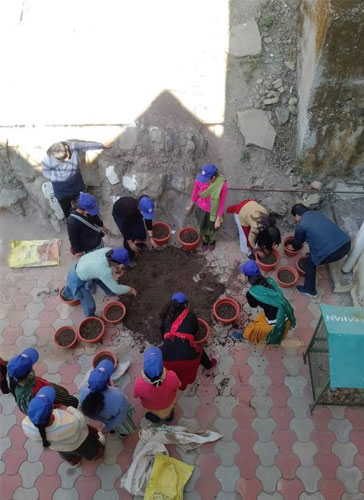
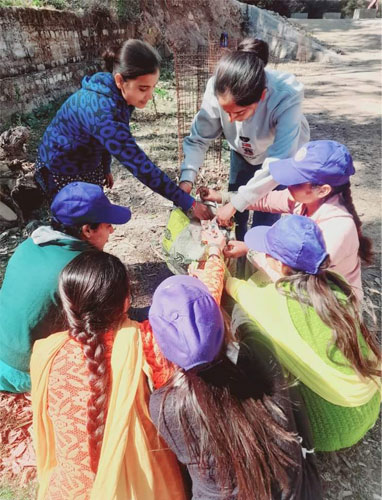
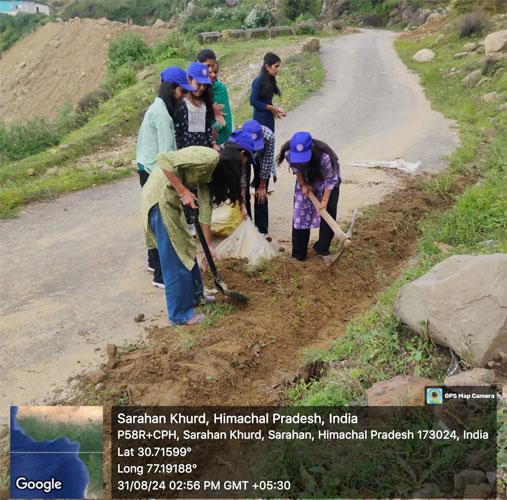
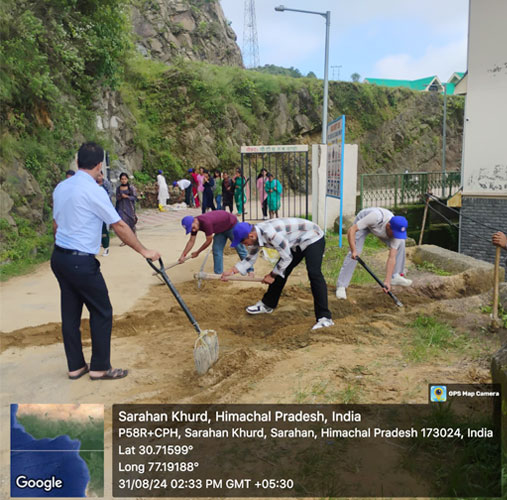
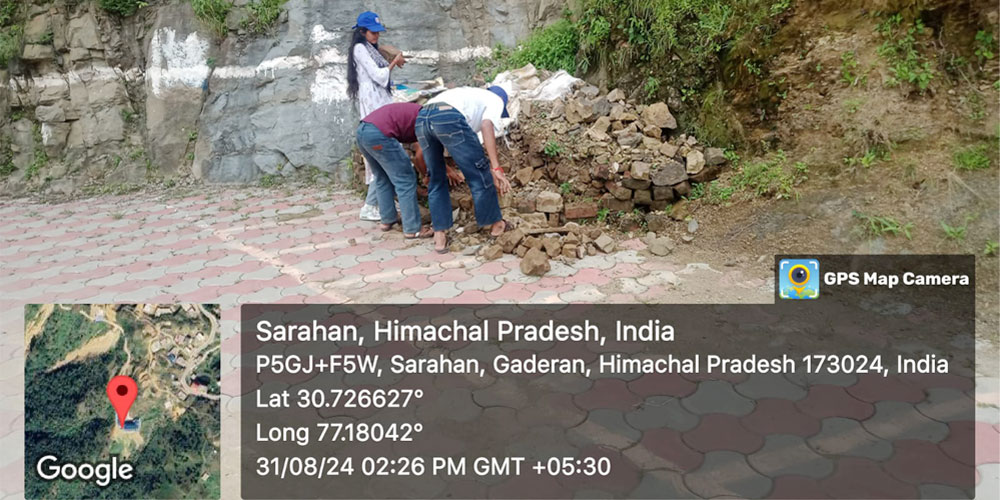
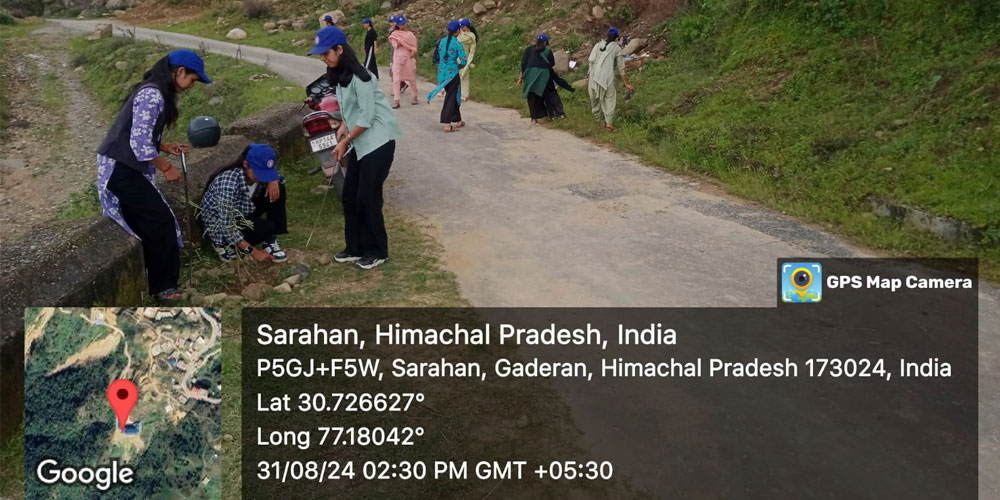
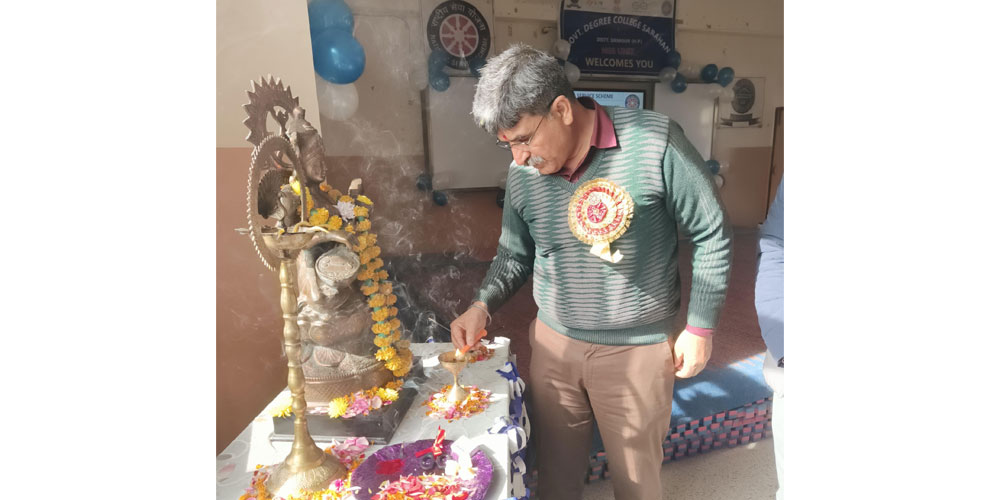
Opening Ceremony 7 Day Camp
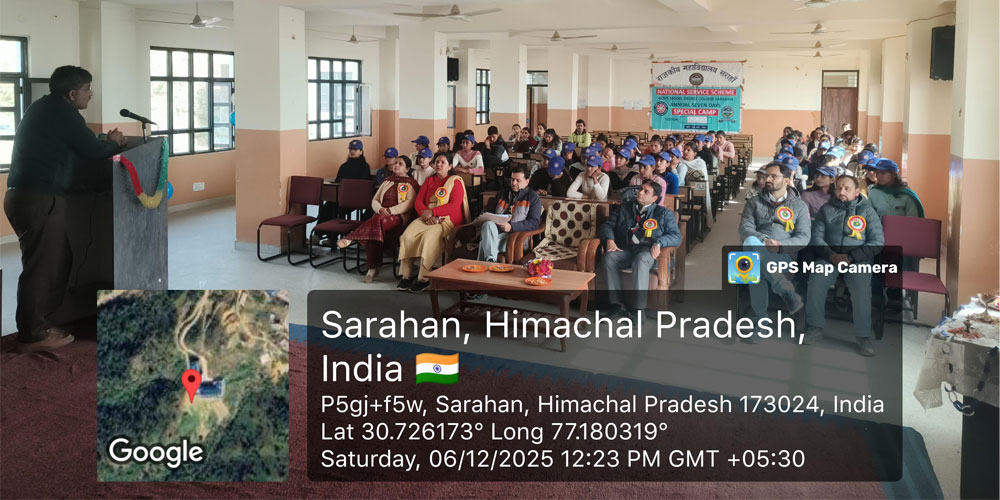
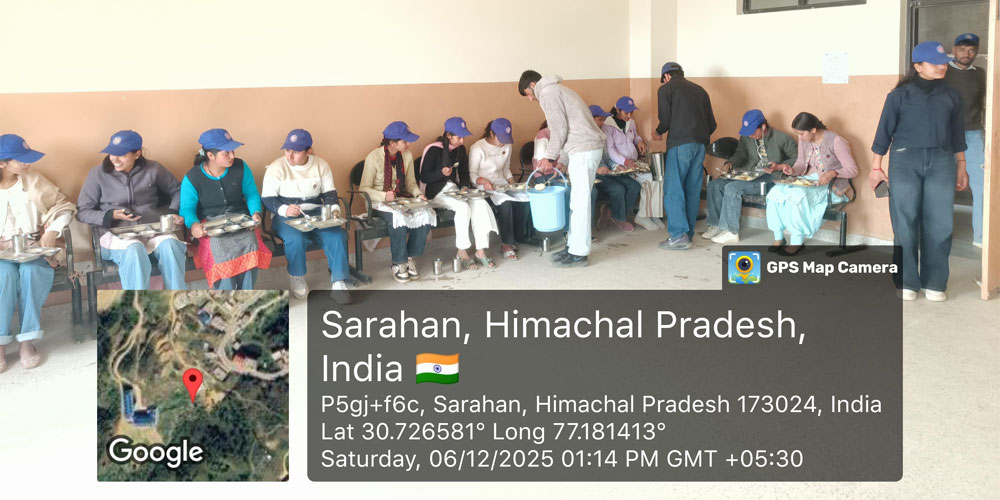
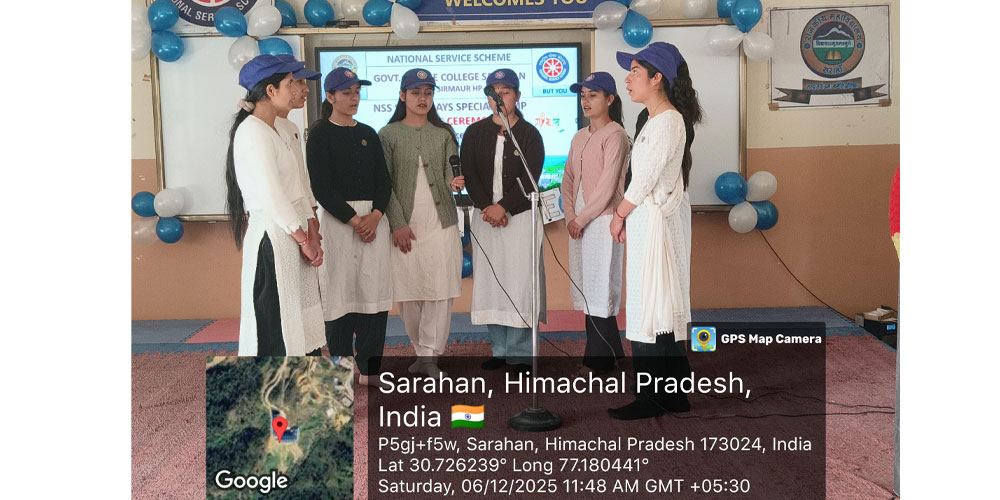
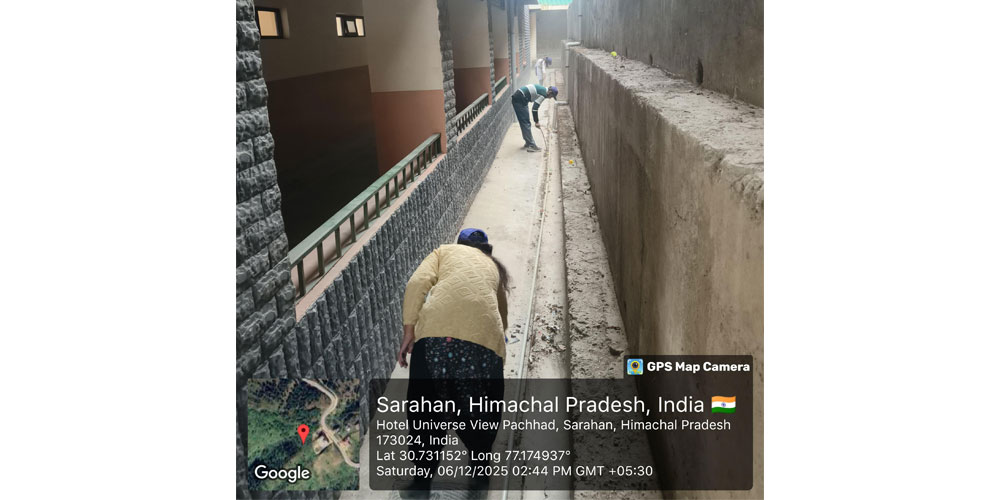
Day 2 Activities of NSS Seven-Day Camp | 7th December 2025
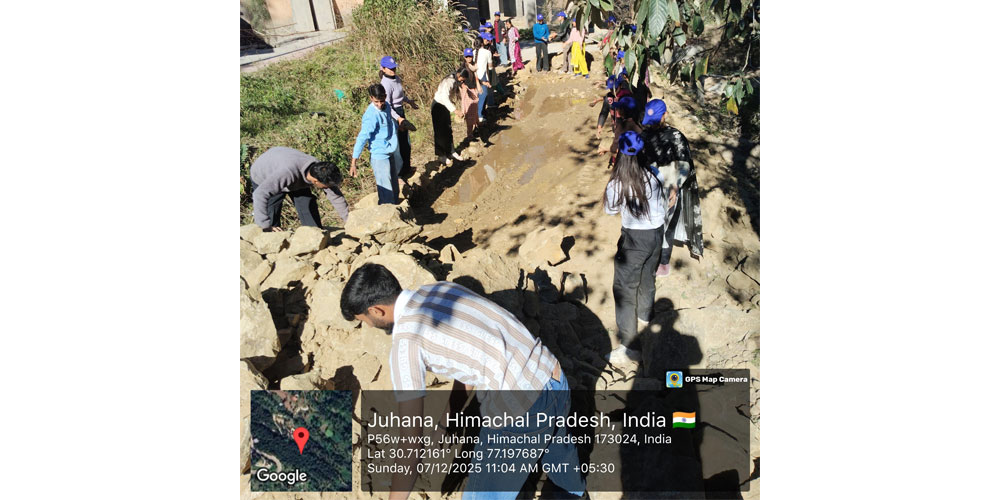
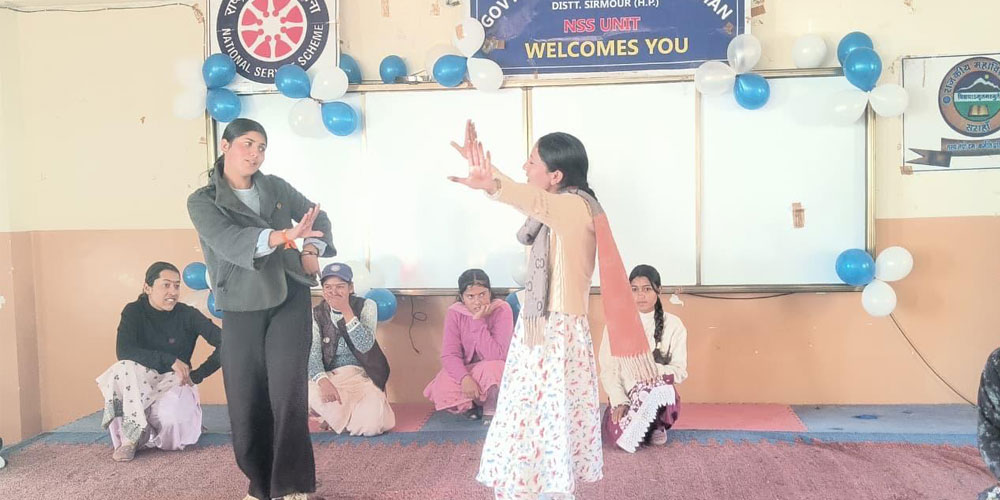
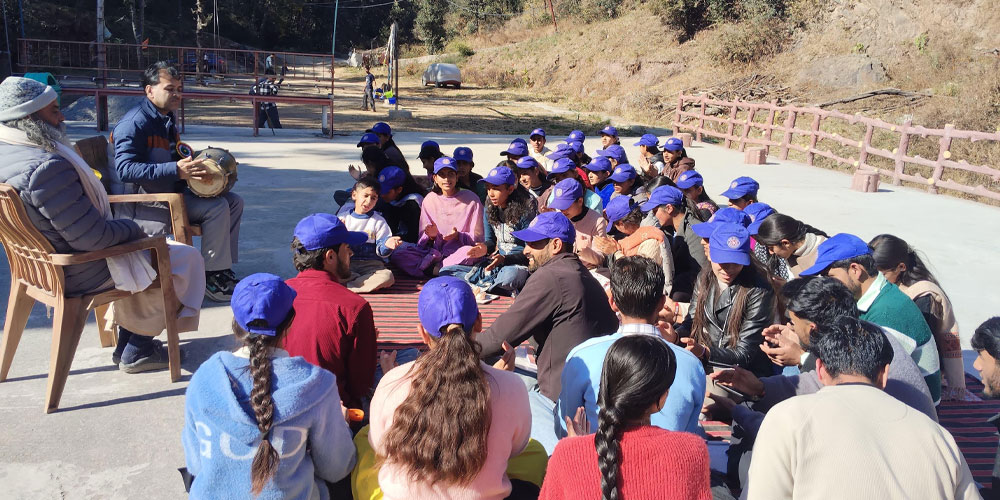
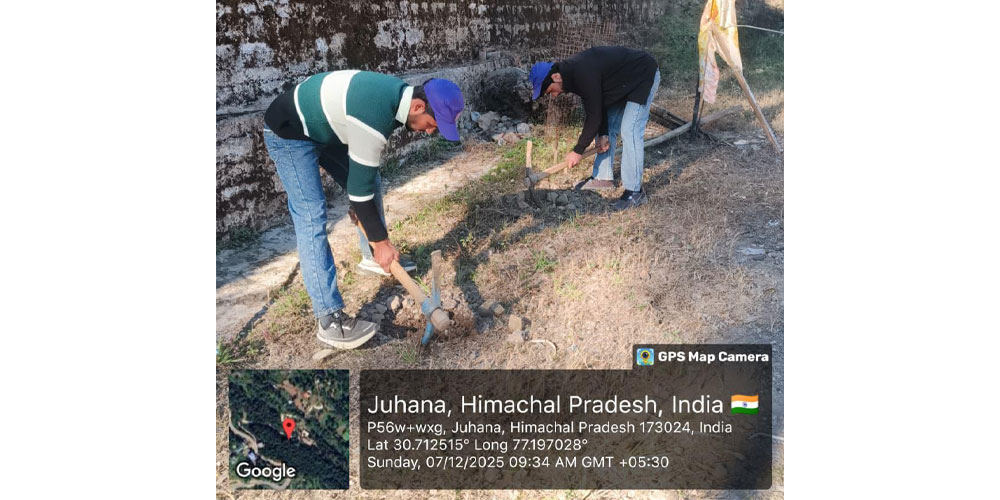
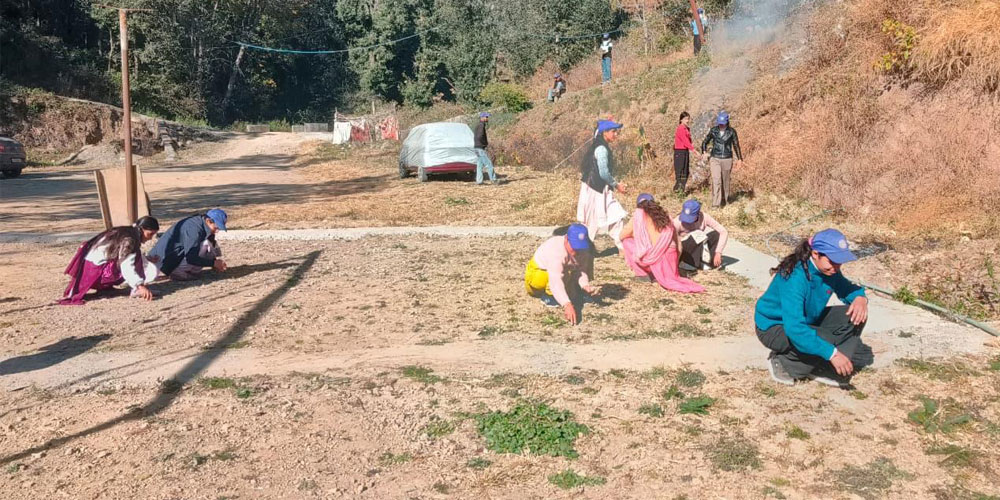
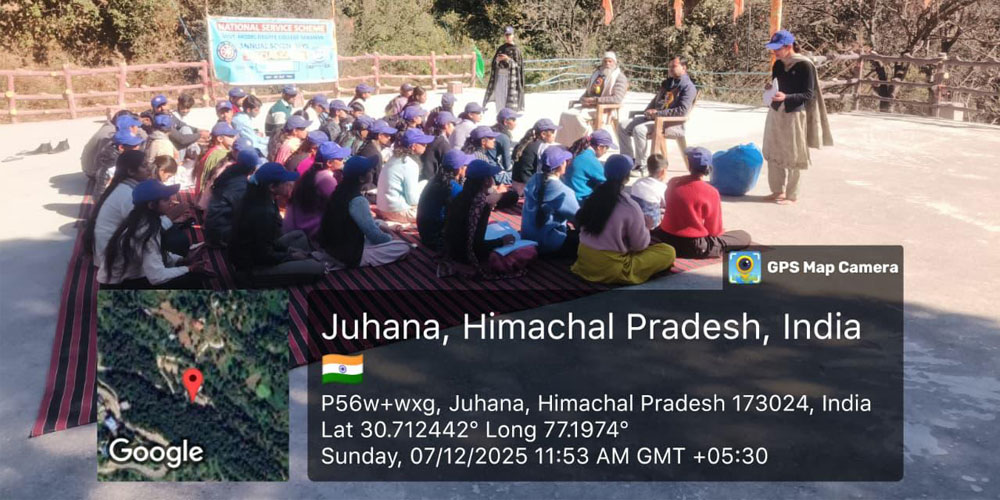
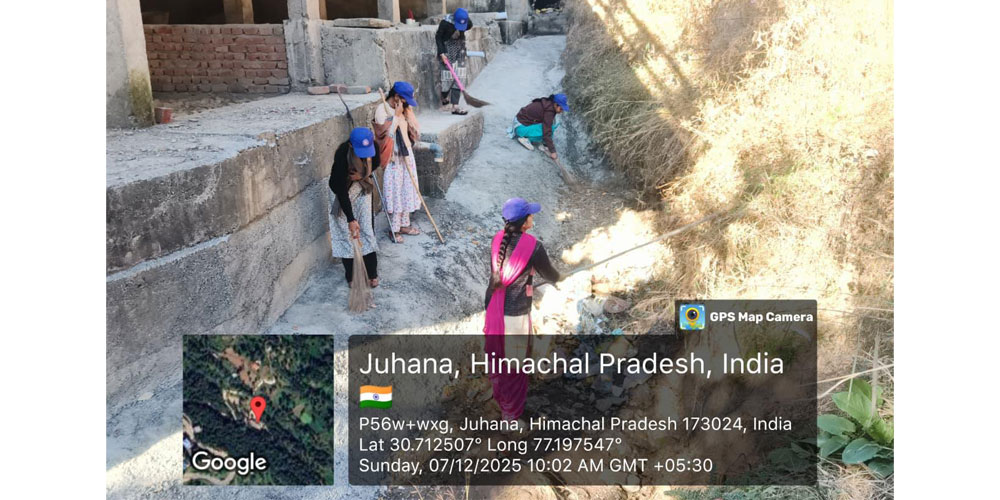
Day 3 Activities of NSS Seven-Day Camp | 8th December 2025
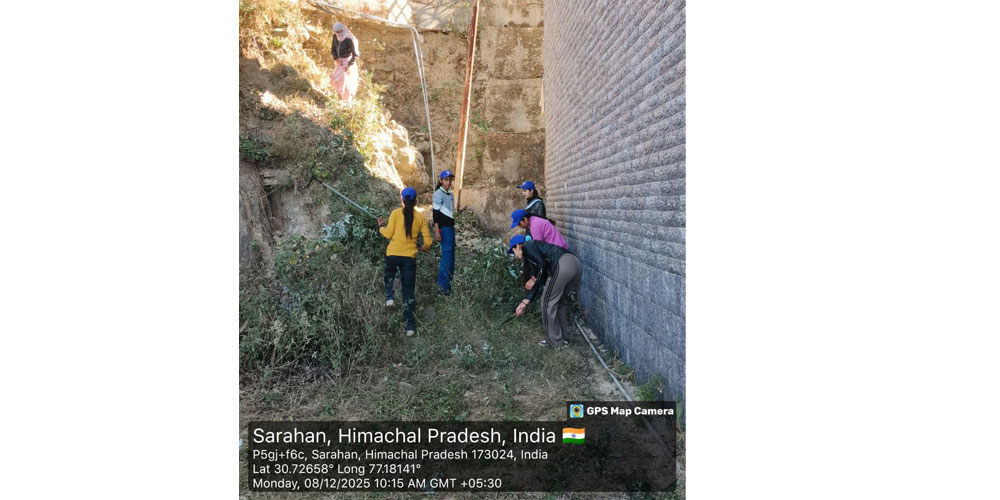
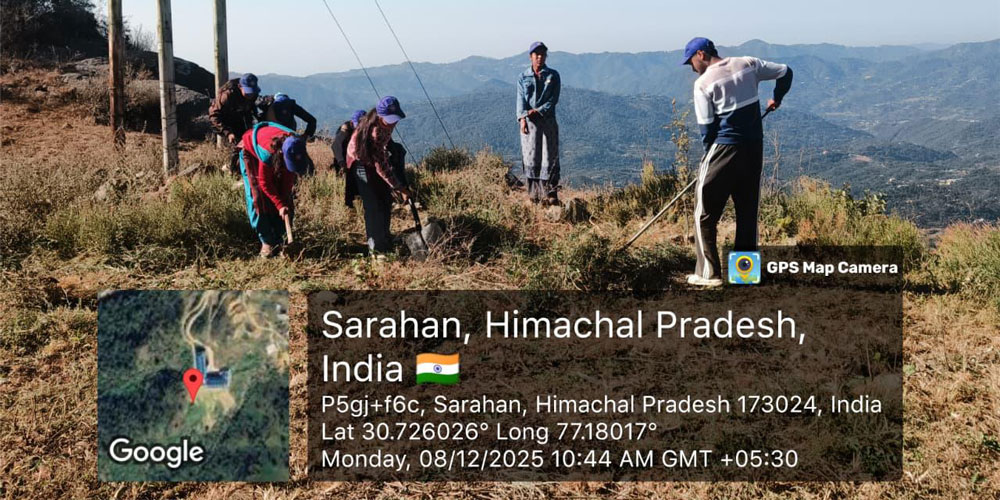
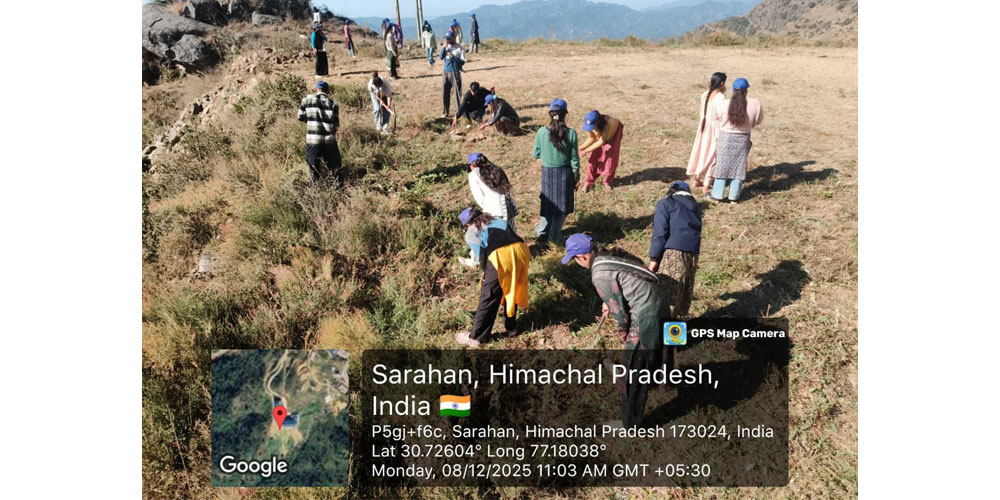
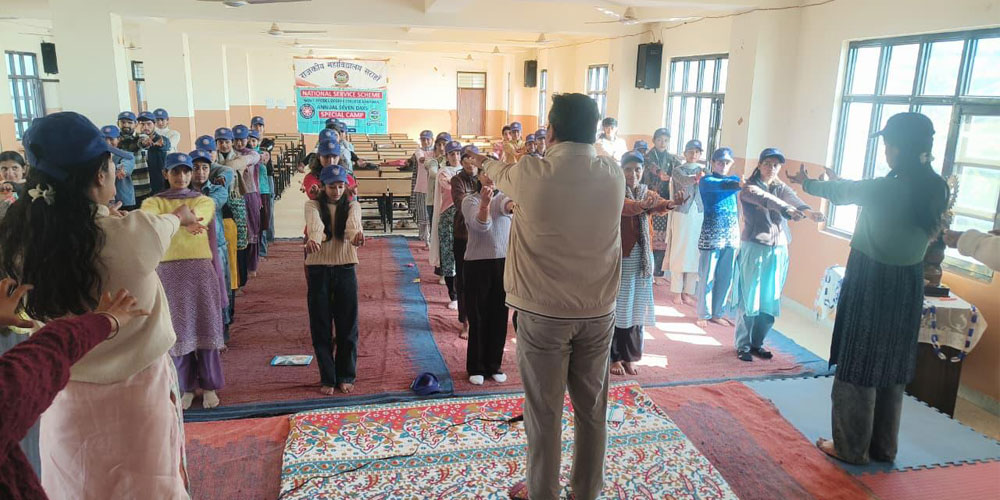
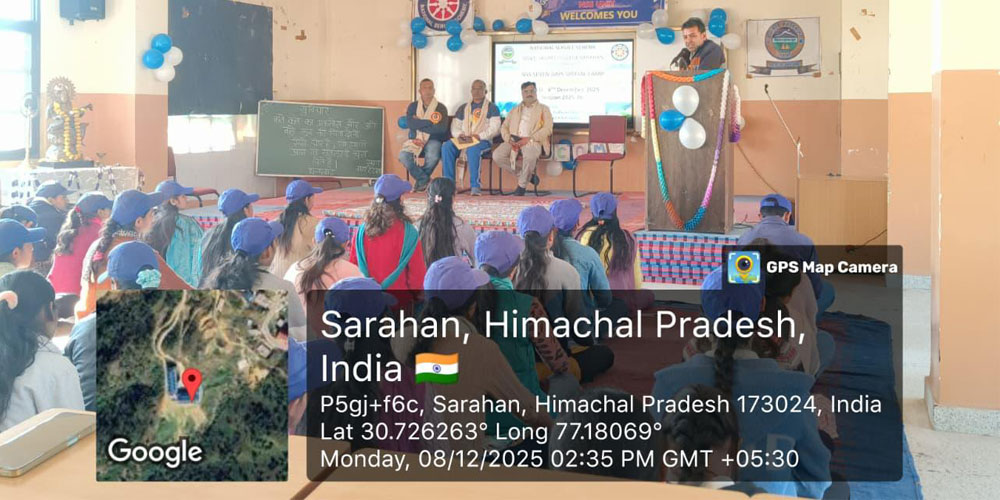
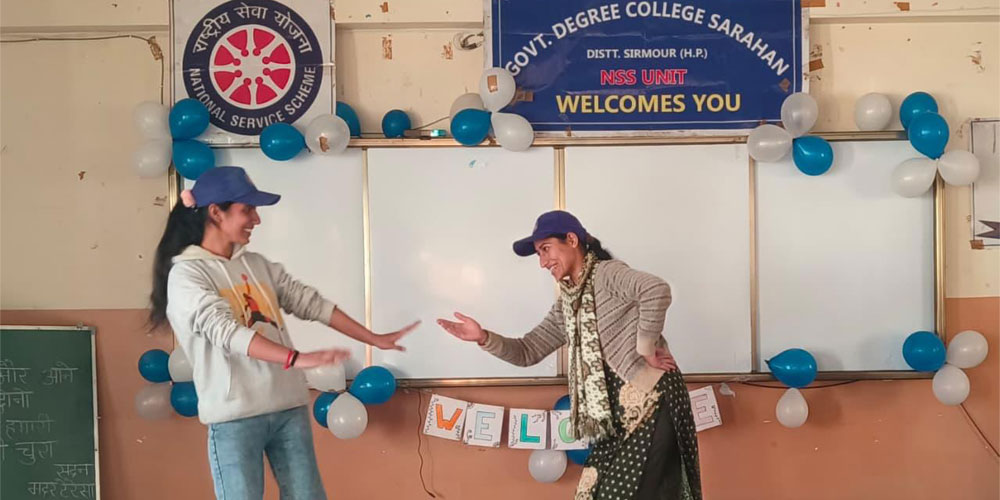
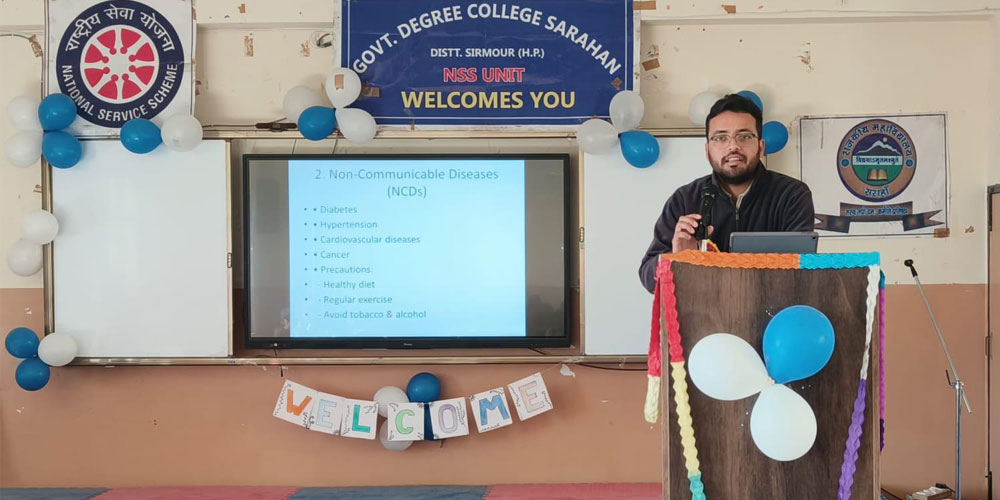
Day 4 Activities of NSS Seven-Day Camp | 9th December 2025
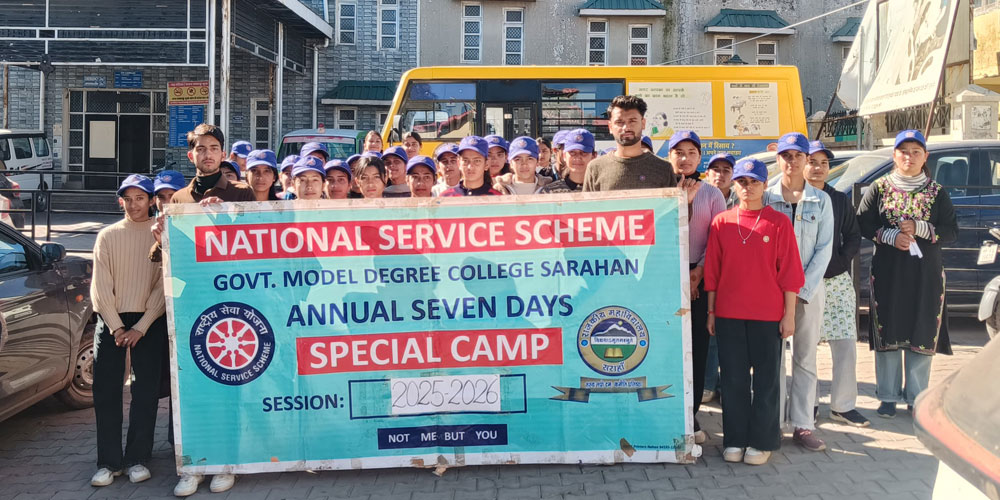
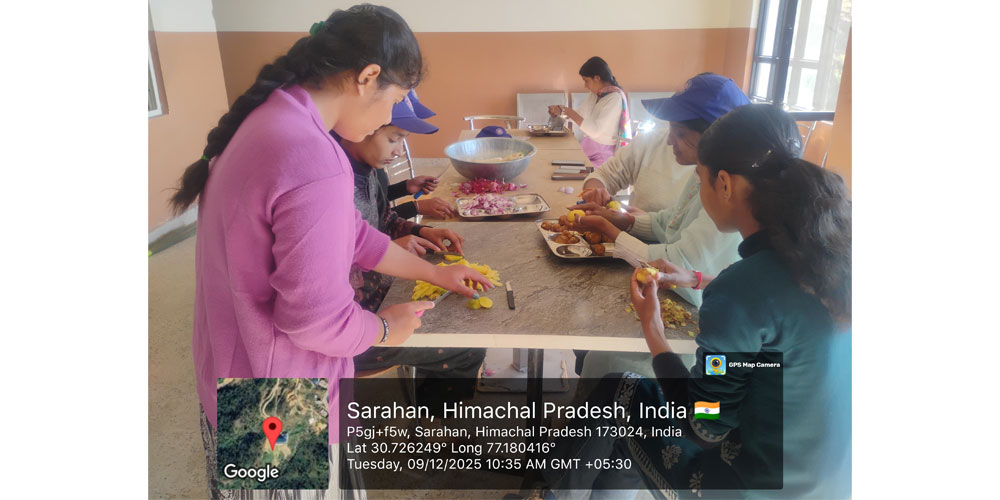
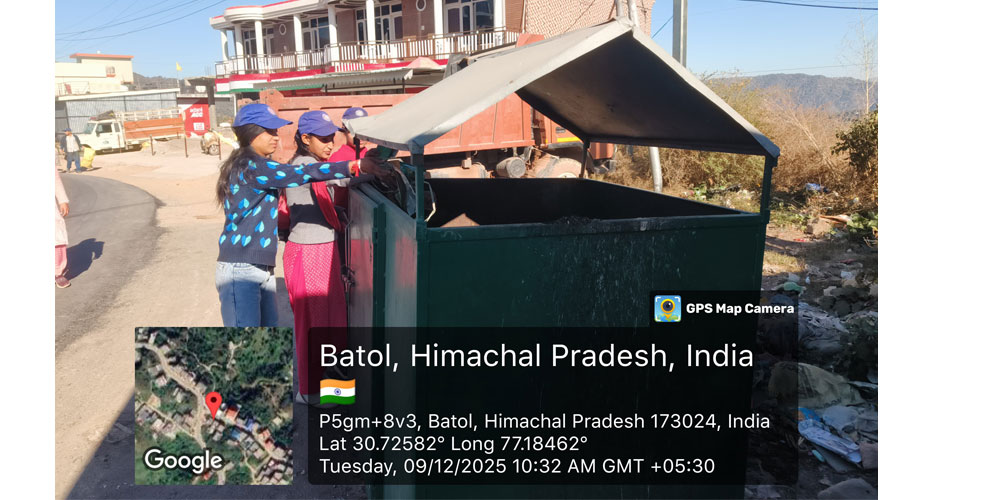
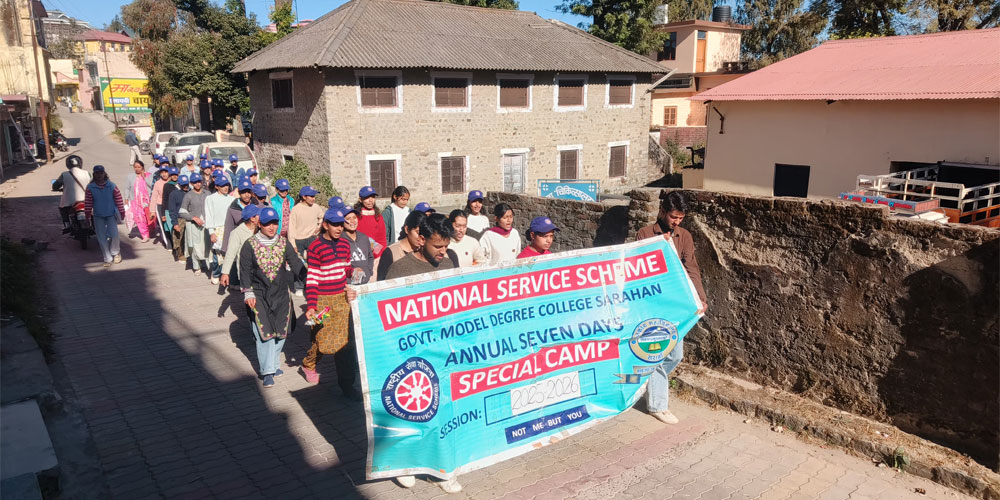
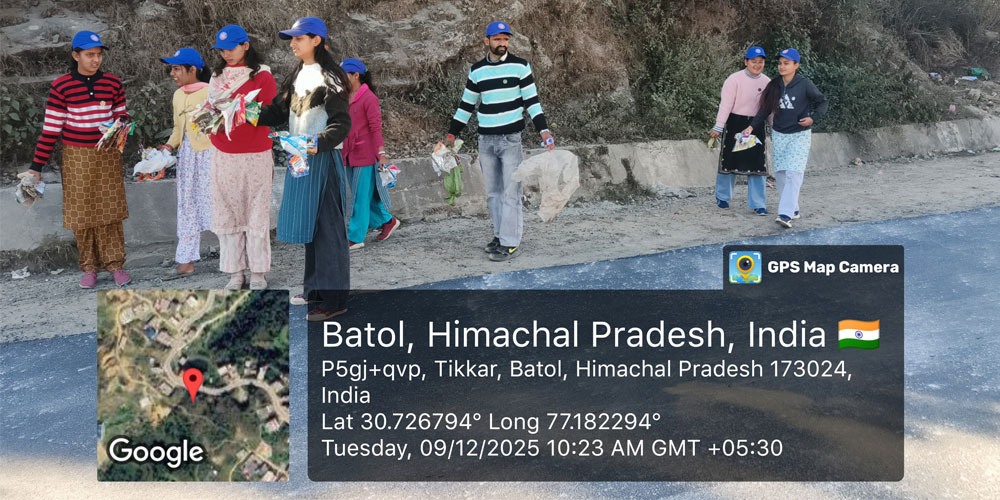
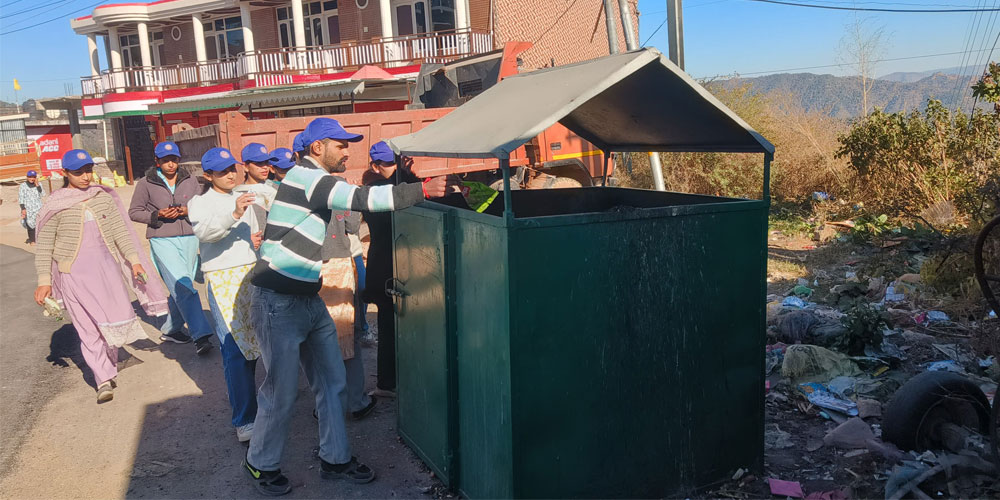
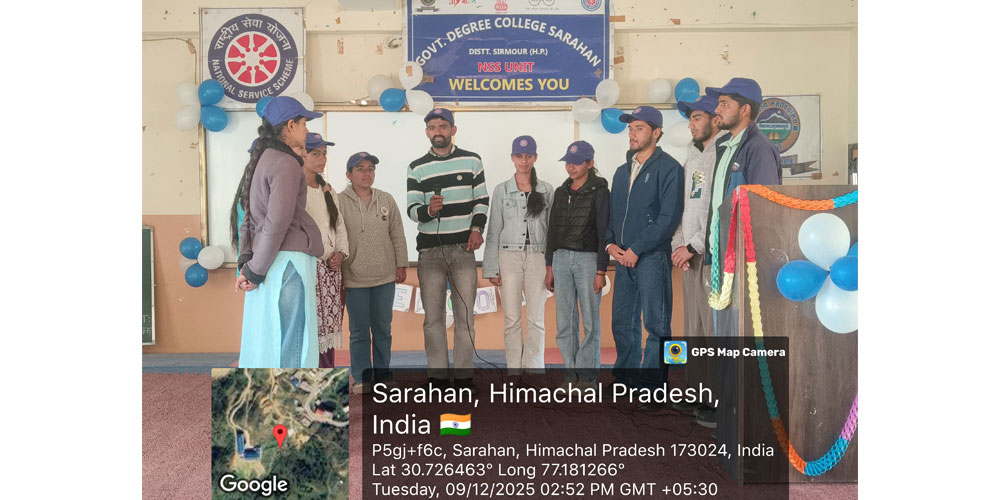
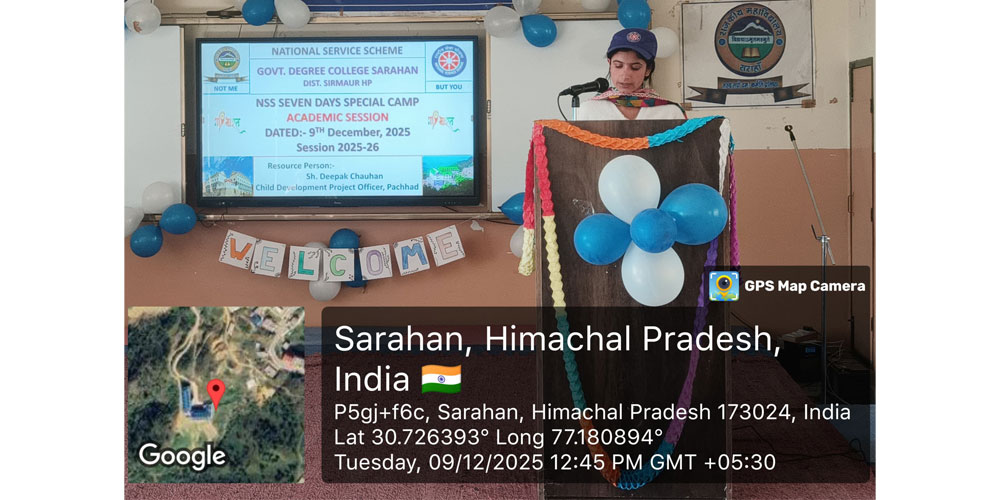
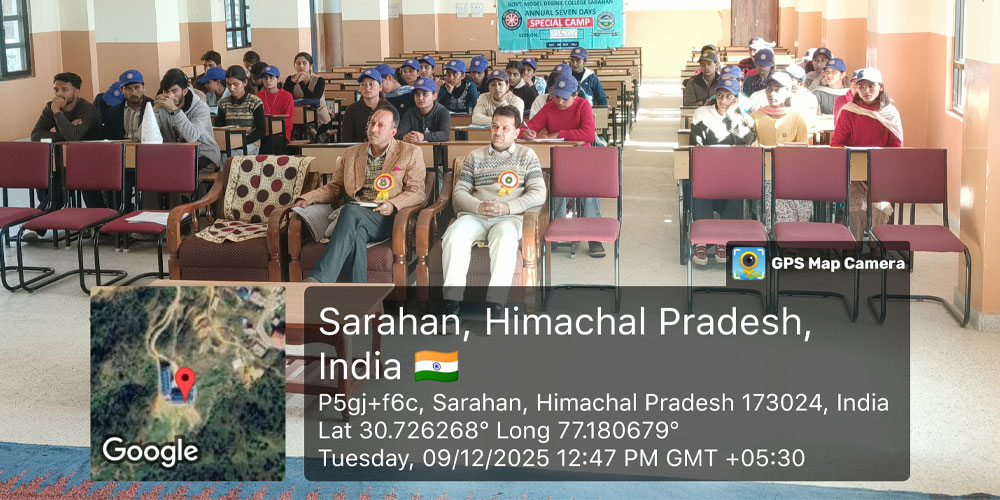
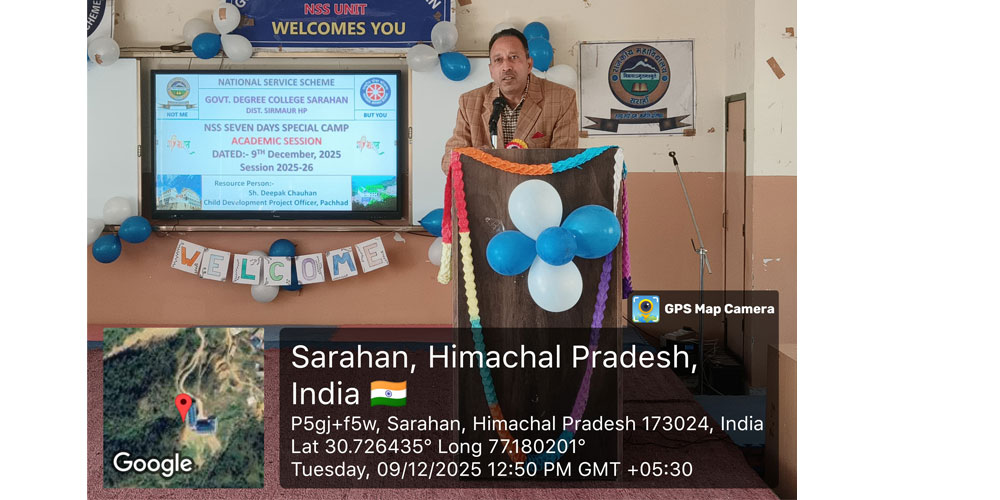
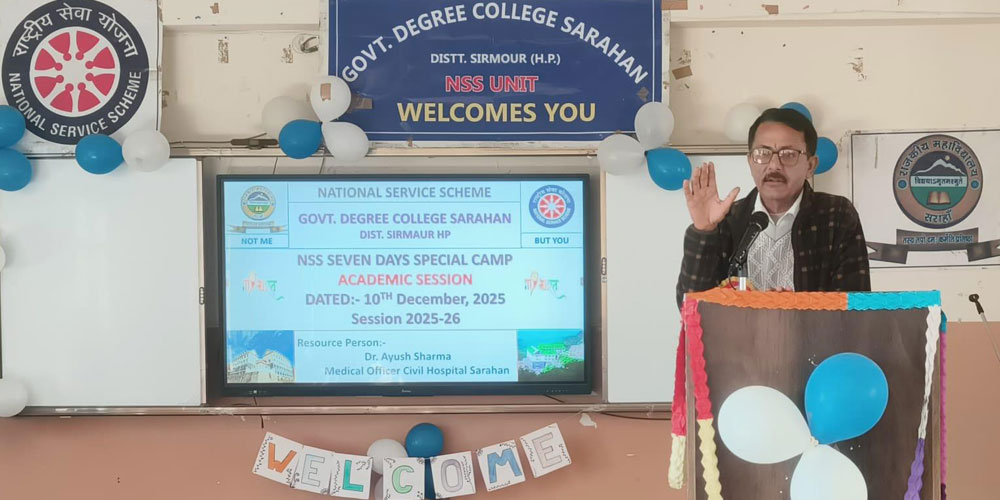
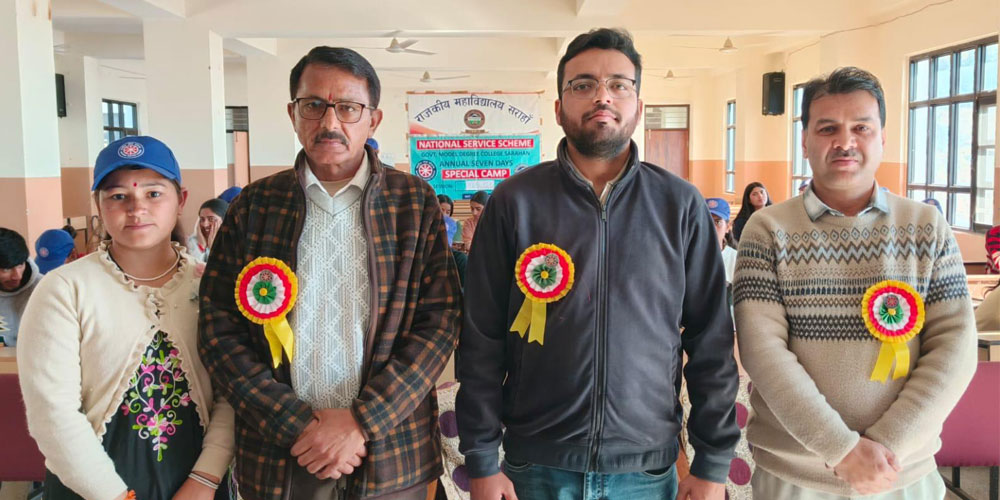
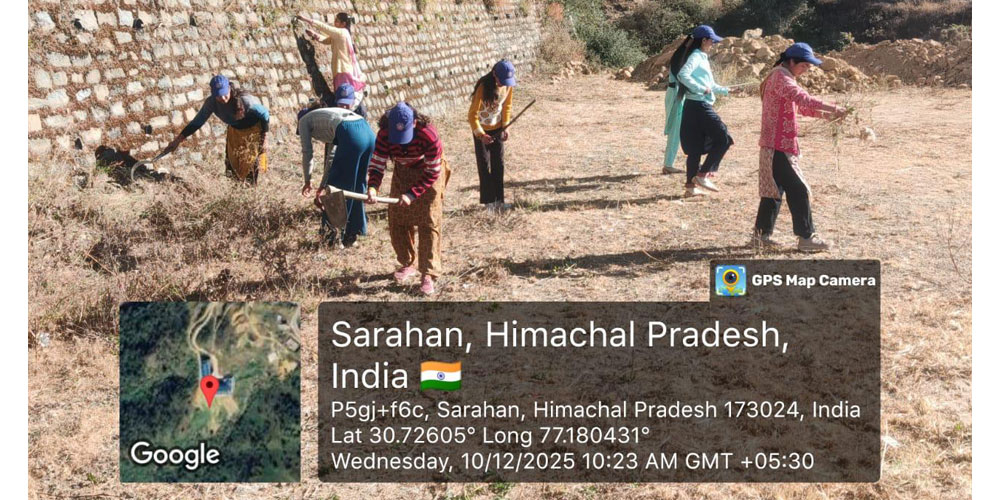
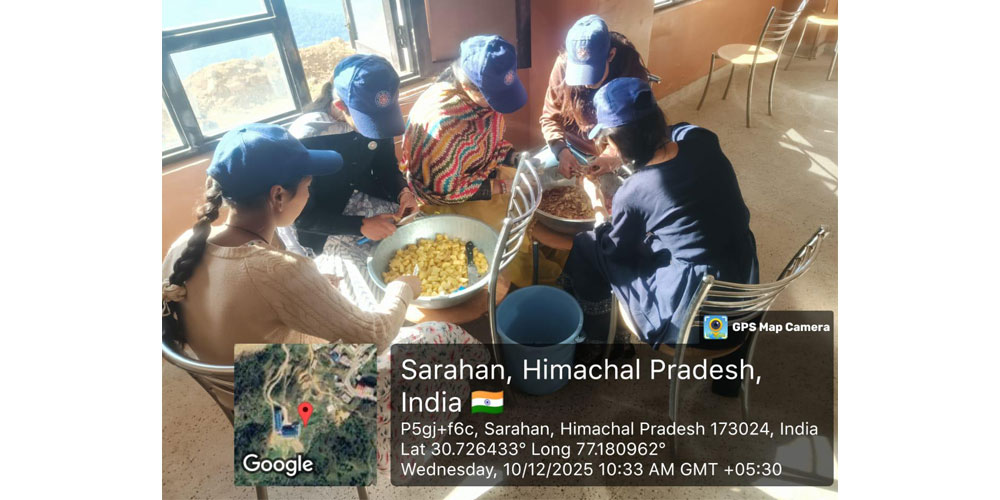
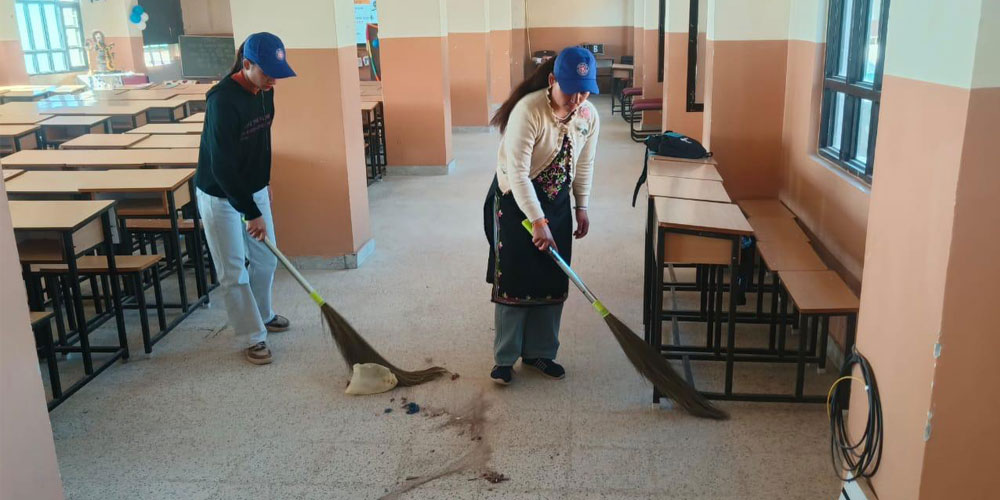
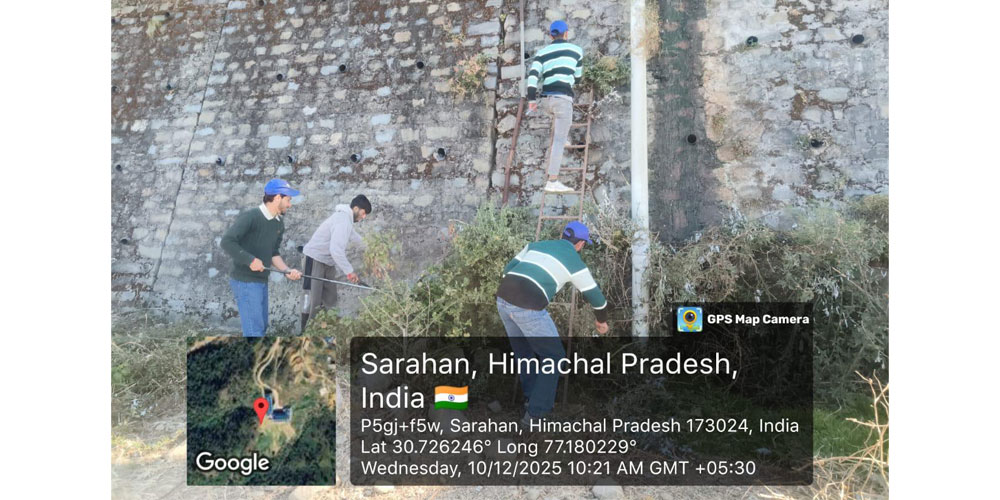
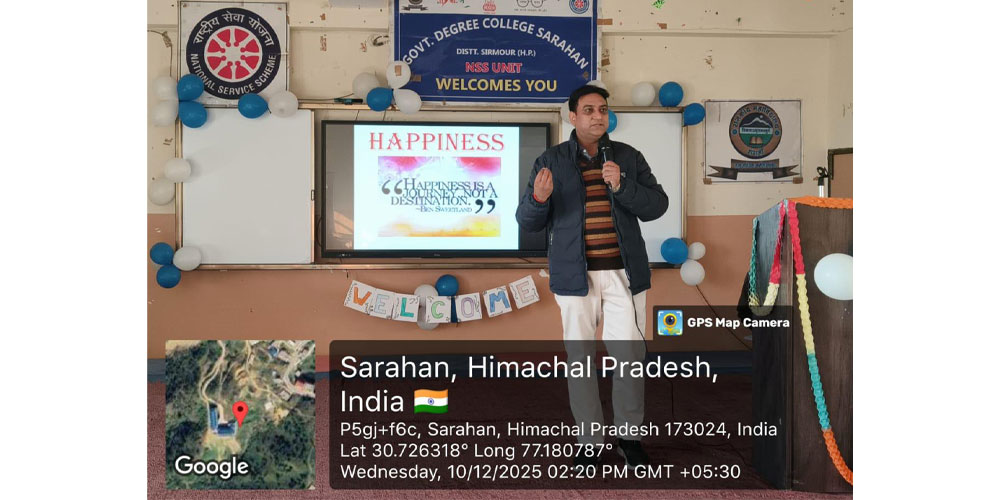
Day 5 Activities of NSS Seven-Day Camp | 10th December 2025
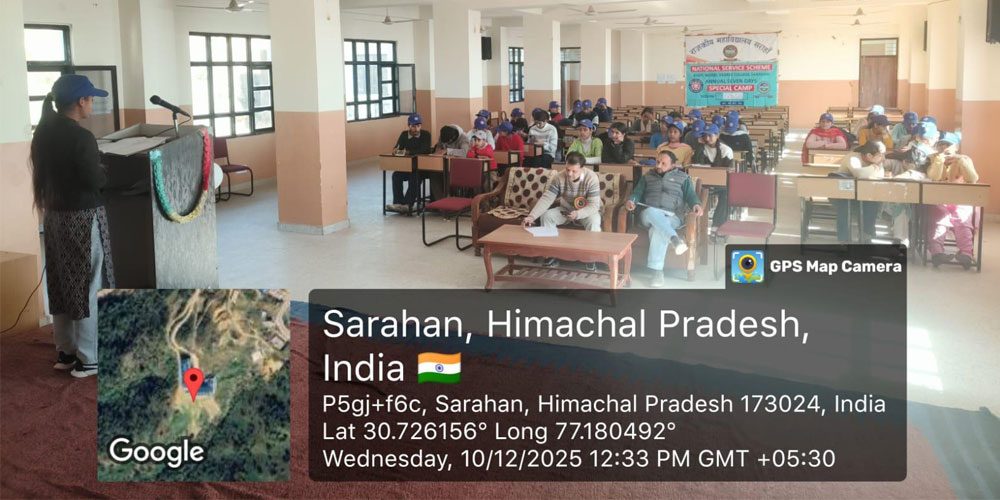
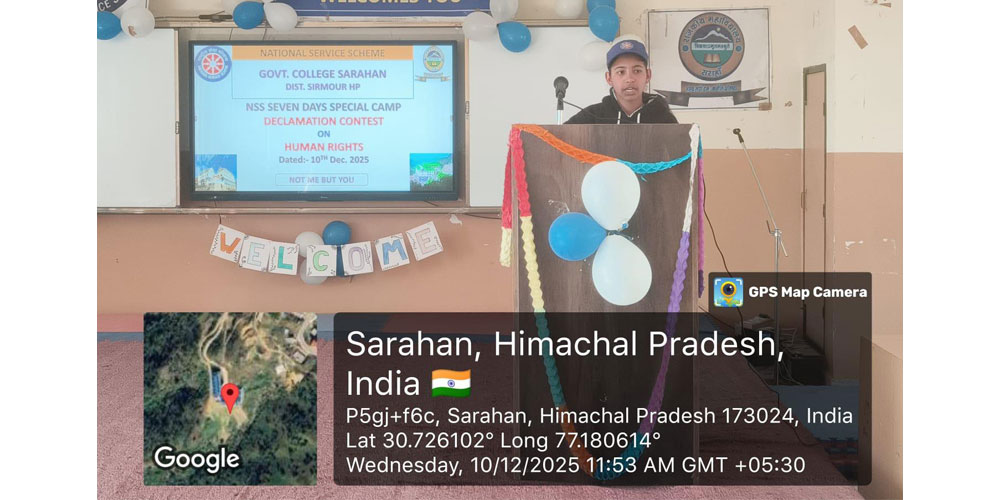
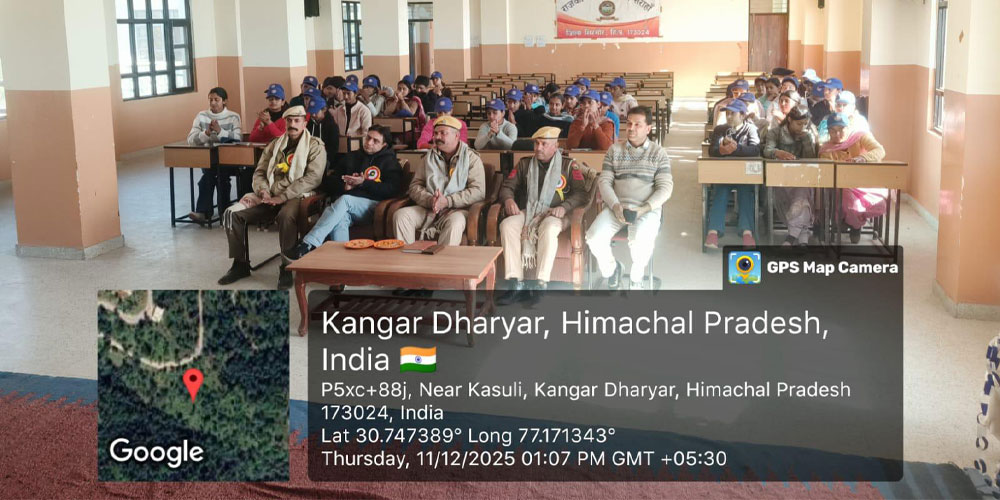
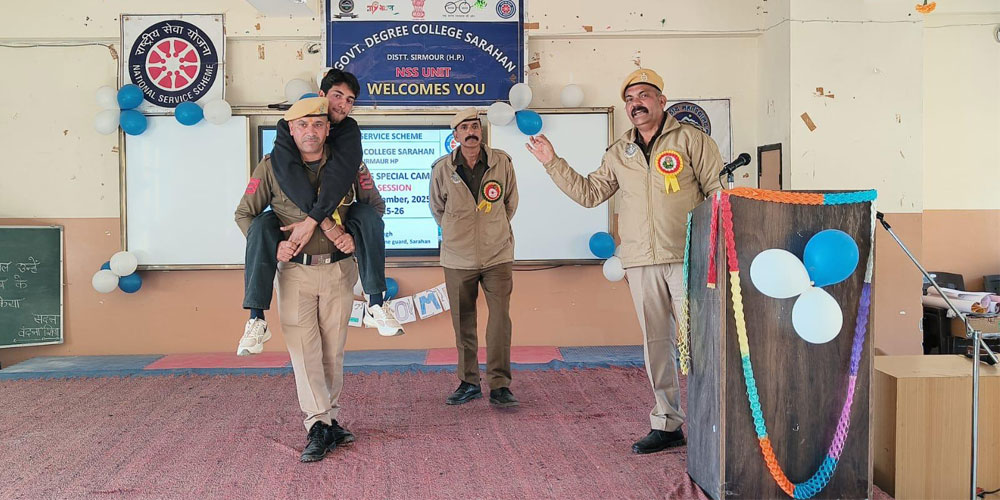
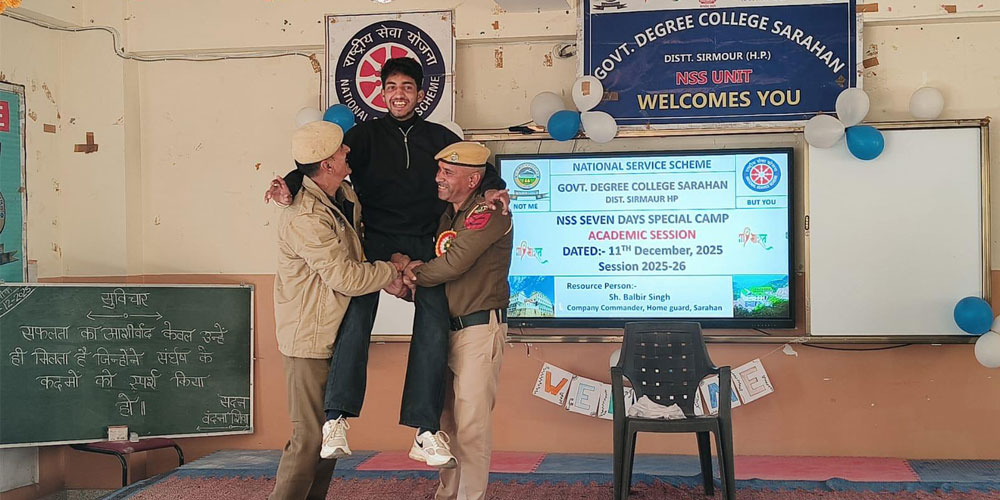
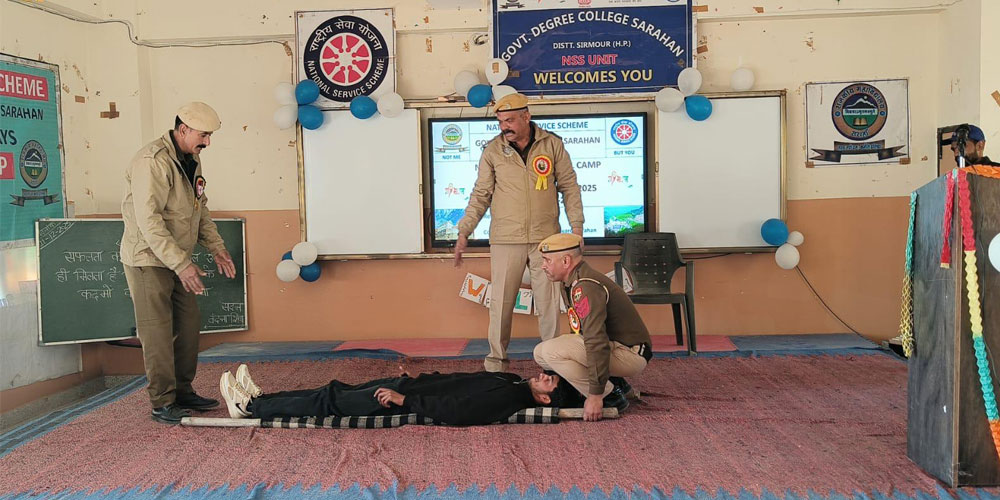
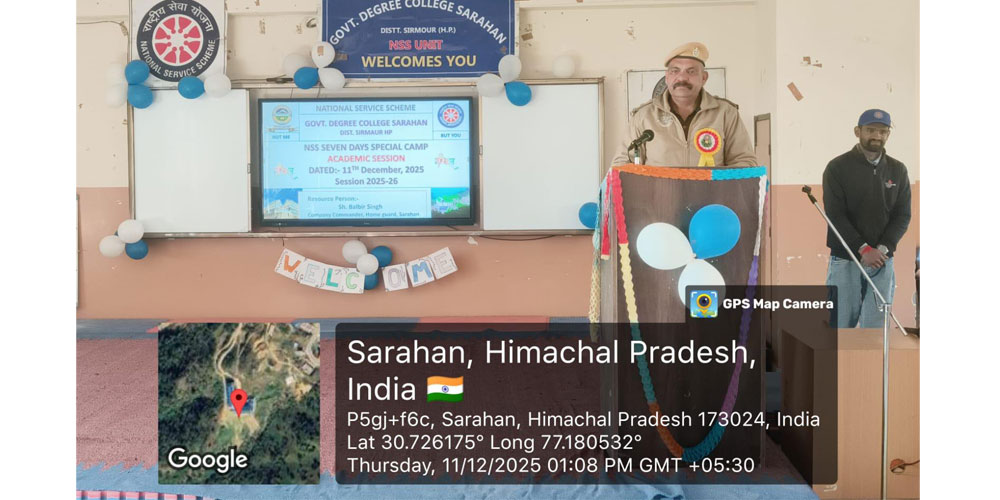
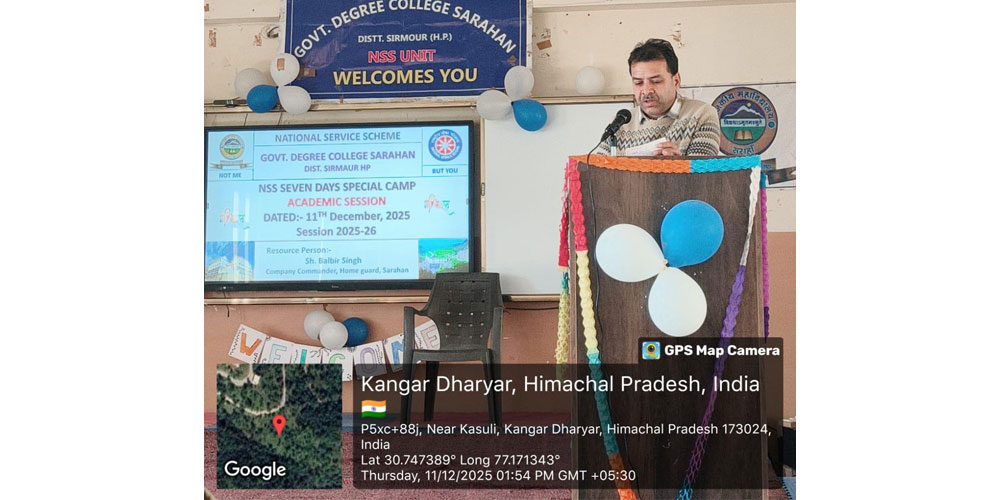
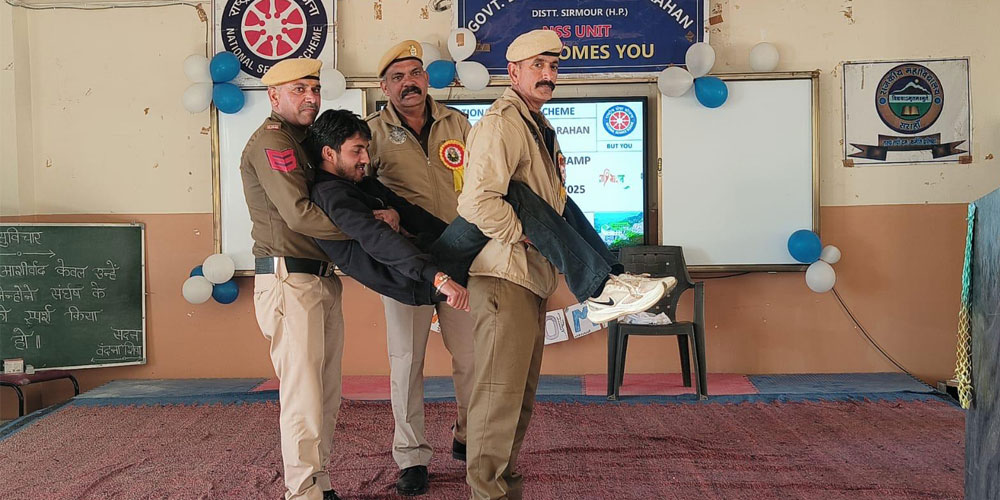
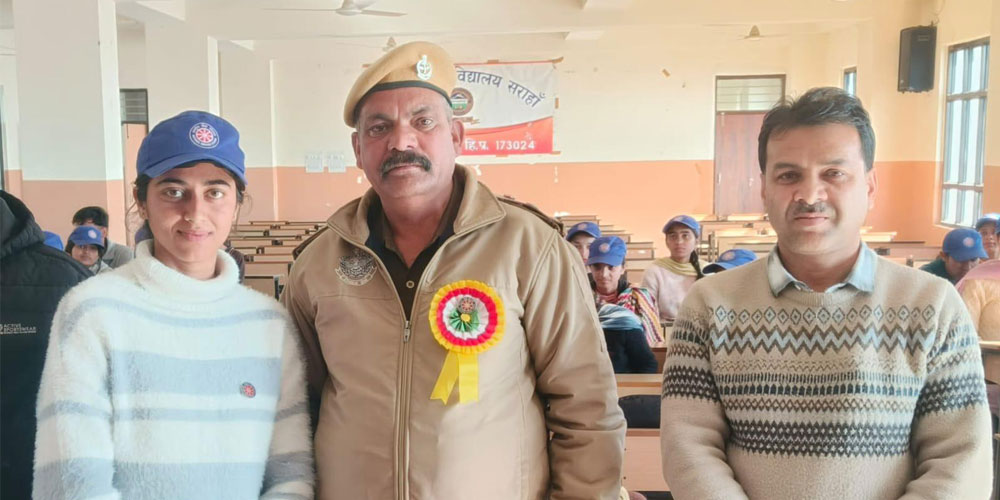
Day 6 Activities of NSS Seven-Day Camp | 11th December 2025
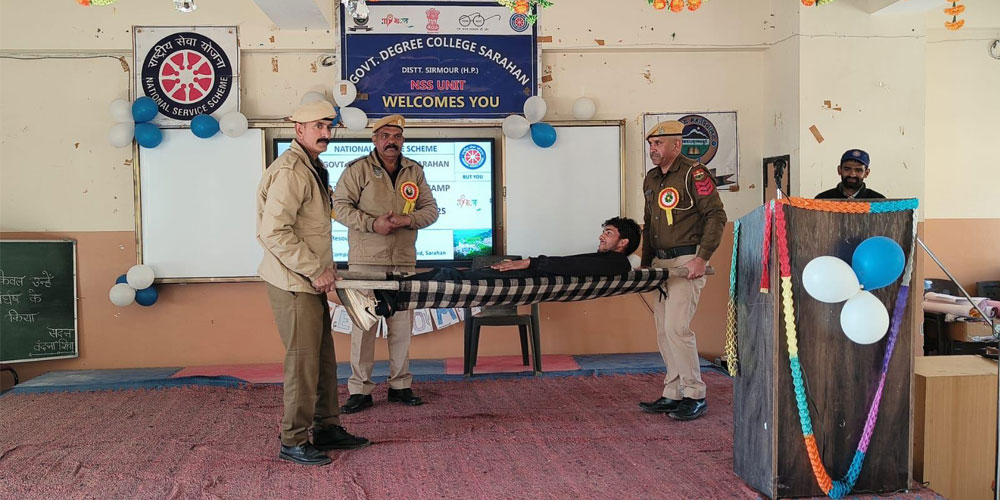
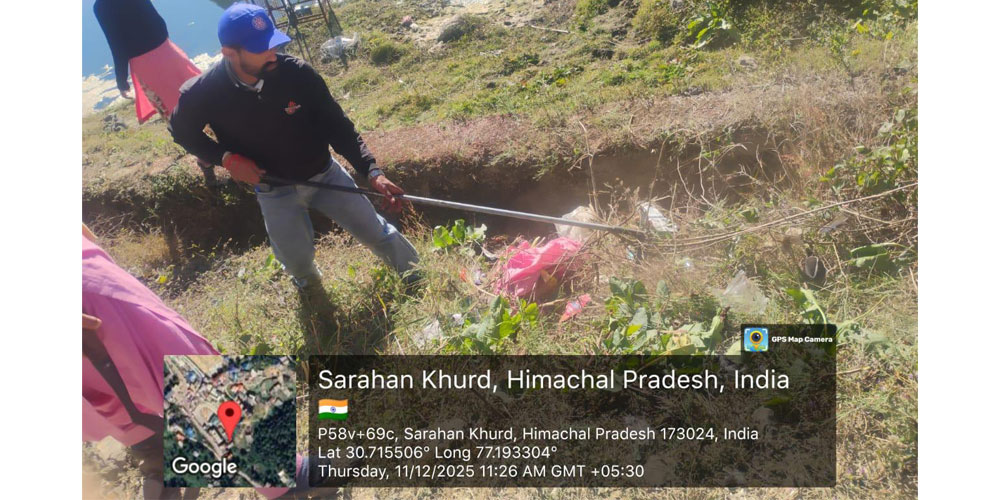

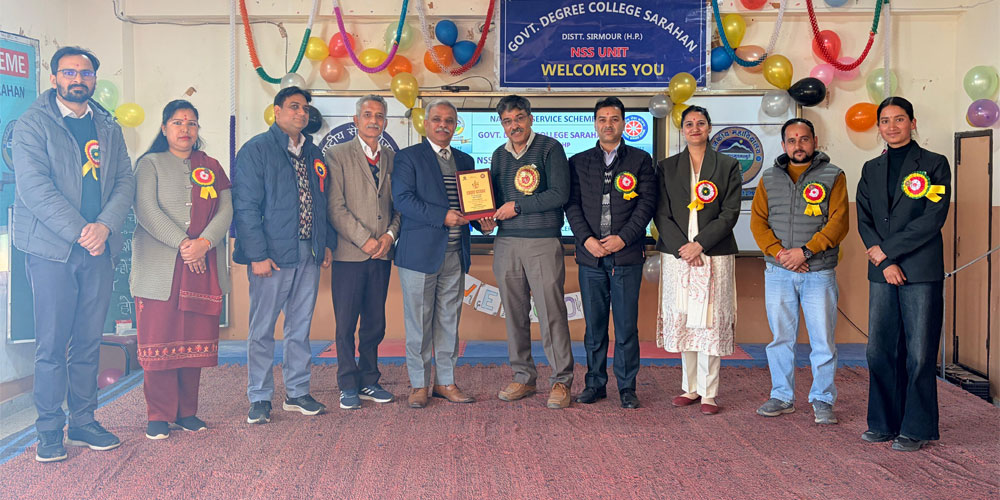
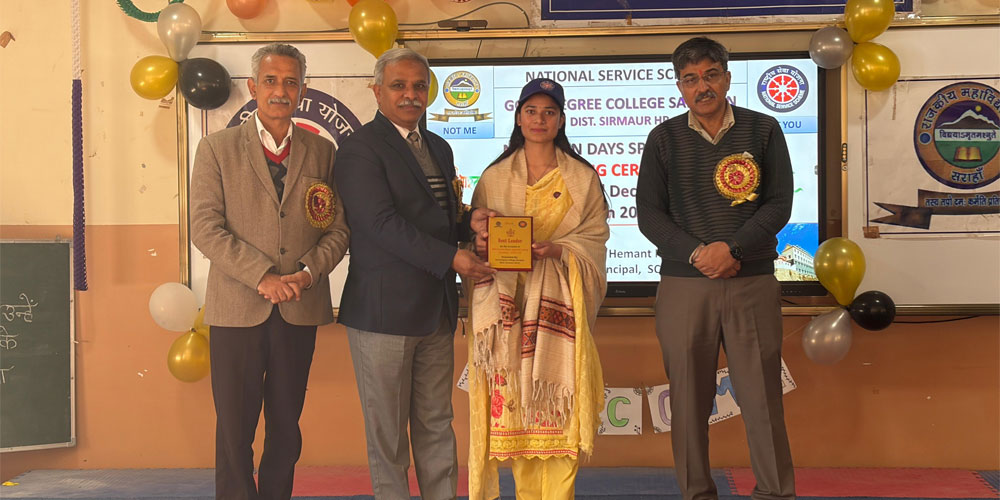
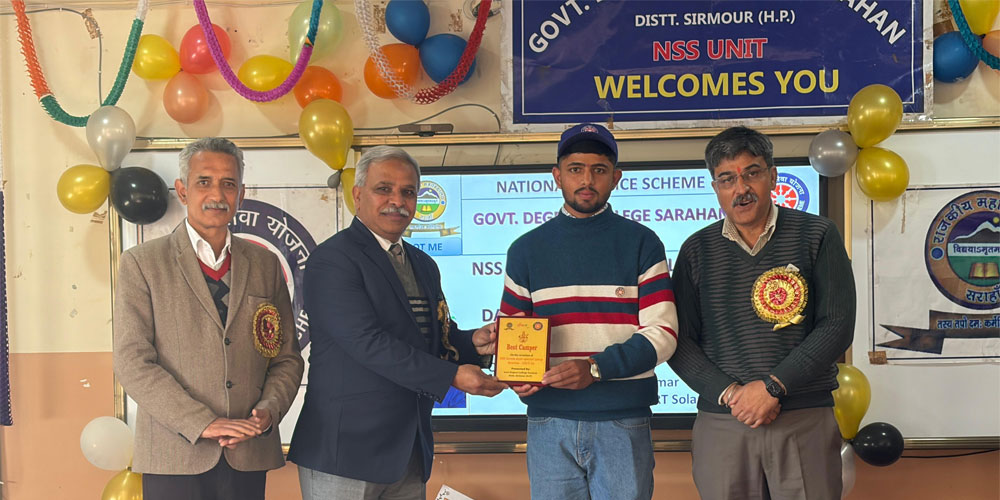
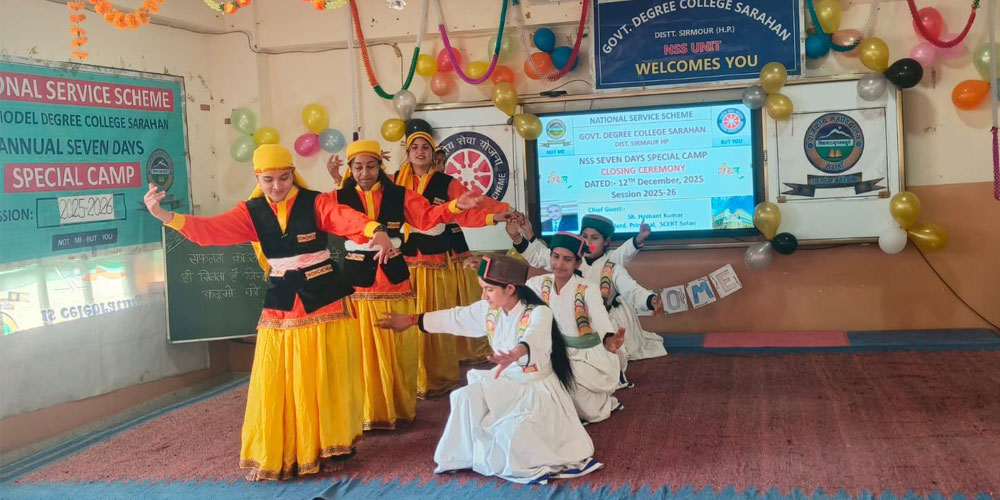
Closing Ceremony 7 Day Camp